Is the Dominican Republic Safe? A 2026 Safety Guide by Region
What you actually need to worry about in Punta Cana, Samaná, Puerto Plata, Santo Domingo and the remote south-west, what you don't, and the small habits that keep tourists out of trouble
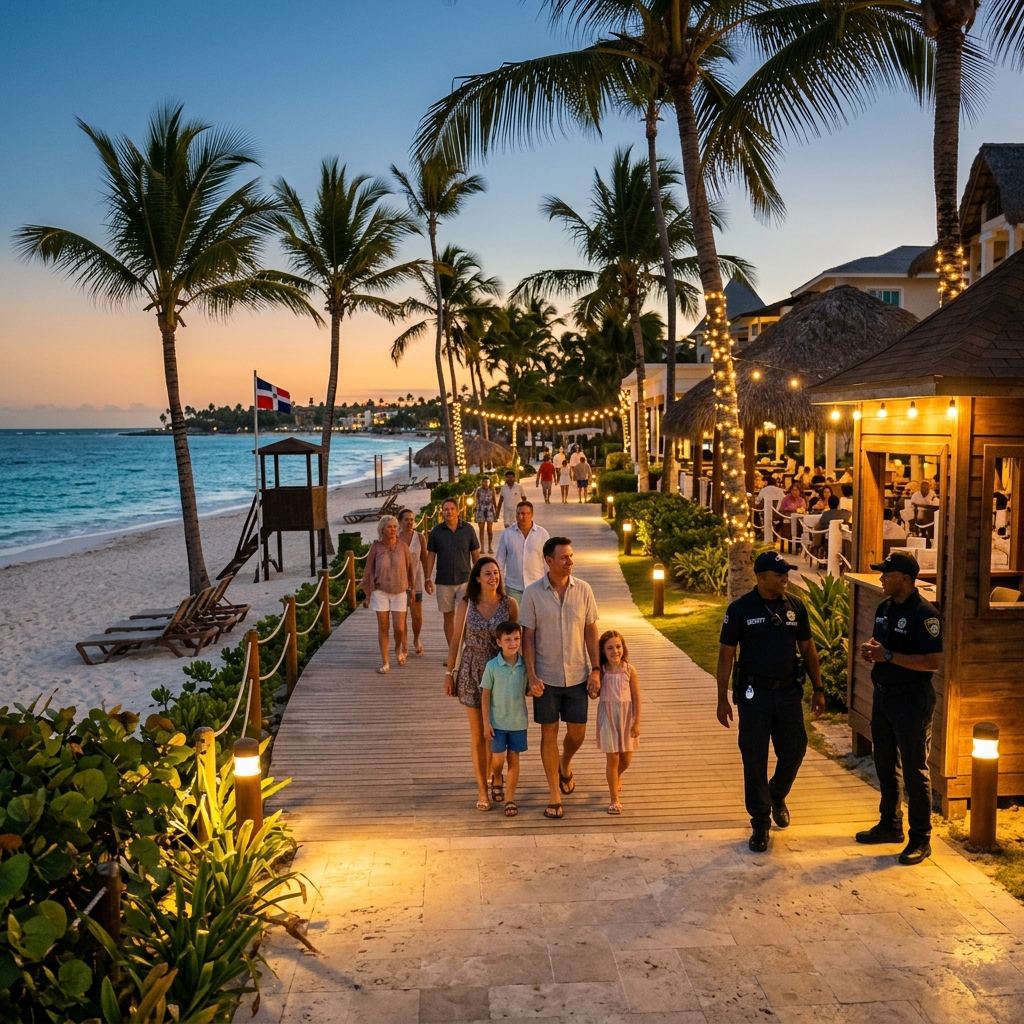
The “is the Dominican Republic safe?” question gets asked on Reddit, Tripadvisor and travel forums every day. The answers fall into two unhelpful camps: people who call it a war zone because of one headline, and people who say it is flawless because they had a great week at an all-inclusive.
The accurate answer sits in between and much closer to “yes, it is safe.” But safe does not mean you can stop thinking. There are real rules of the road, and they change a little from region to region. In Punta Cana the main risks are sun, rum and traffic. In Samaná and on the north coast, the ocean matters more. In the far south-west and north-west, the challenge is distance from services, not crime.
The short version: The Dominican Republic is safe for tourists who use normal precautions. Resort areas are patrolled, Politur (tourist police) is visible, violent crime against visitors is rare, and Dominicans are famously welcoming. The real risks are traffic, rip currents on open Atlantic beaches, the sun and petty theft. Drive in daylight, swim where flags and other swimmers are, drink bottled water, and in remote regions carry cash and plan for long distances to hospitals.
How Safe Is the Dominican Republic, Really?
Tourism is one of the country’s biggest industries, and the government, the resorts and the police act like it. Resort corridors are patrolled, lit and watched. The tourist police, Politur, have a visible presence at airports, beaches, resort zones and the main tourist streets in Punta Cana, Puerto Plata, Sosúa, Cabarete, Las Terrenas, Bayahíbe and Santo Domingo’s Zona Colonial.
The other thing travel sites underplay: Dominicans are warm. Resort staff, taxi drivers, servers, beach vendors and the colmado (corner shop) owner will often go out of their way to help you. That culture is a real part of why the country feels safer than raw statistics suggest.
The US State Department keeps the Dominican Republic at Level 2 (“Exercise Increased Caution”), the same level as France, Germany and Italy. That is the standard general advisory, not a warning.
What you are actually likely to deal with, roughly in order of frequency:
- Sales pressure from beach vendors, timeshare reps and excursion sellers (annoying, not dangerous)
- Petty scams at airports, taxis and ATMs
- Pickpocketing or bag-snatching in crowded areas
- Traffic accidents if you drive or ride a motoconcho, the main day-to-day risk
- Ocean hazards, especially rip currents on open Atlantic beaches
- Sun, dehydration and stomach upsets, the most common actual problems
- Property crime away from the tourist zones
- Violent crime against tourists: rare, and mostly linked to non-tourist areas at night
The 2019 Tourist Deaths Story
Anyone researching Dominican safety runs into the 2019 news cycle about American tourists dying at resorts. It is the biggest reason this question keeps coming up.
What happened: a series of unrelated tourist deaths in 2018 and 2019 was reported as a suspicious cluster. Speculation centered on counterfeit alcohol and resort negligence.
What investigators concluded: after lengthy FBI and Dominican investigations, nearly all of the deaths were attributed to natural causes, including heart attacks, pre-existing conditions and alcohol. Analysis showed the death rate among visitors was not elevated compared with historical norms.
What it means for you: there is no credible evidence of contaminated alcohol or systemic resort danger. Stick to sealed minibar bottles, drink responsibly, and leave the 2019 panic out of your planning.
Safety by Region
Punta Cana and Bávaro
Bávaro, Cap Cana, Punta Cana Village, Uvero Alto and El Cortecito are purpose-built tourist zones with:
- Heavy police and Politur presence
- Security at every resort
- Lit main roads
- Established taxis, Uber and transfer services
Walking around your resort, between resorts or along Bávaro Beach is fine. El Cortecito is walkable and the usual spot for off-resort meals at places like Captain Cook.
Twenty minutes inland you are in working-class Dominican neighborhoods. Higüey, the nearest sizable city, has normal city issues. These areas are not dangerous in a dramatic sense, but they are not built for tourists. Unless you have a reason to go, stay in the tourist zones, and if you do go, go by day with a registered taxi or a tour.
Beach notes: Macao is exposed and can have strong rip currents; Bávaro and Juanillo are usually calm behind the reef.
La Romana and Bayahíbe
Bayahíbe is a relaxed fishing-village-turned-dive-town and Casa de Campo is a gated resort community. The Caribbean water at Bayahíbe Beach and Playa Dominicus is usually calm. The main things to manage are sun on long boat days to Isla Saona, choosing licensed boat operators, and wearing water shoes on rocky entries.
Miches and Costa Esmeralda
The resorts on Playa Esmeralda are self-contained and the area is quiet. The sea is open bay water with no protective reef, and public stretches have no lifeguards. Check conditions, follow resort flags and stay away from river mouths after rain. Playa Limón is rougher and better for walking than swimming. The coast road from Punta Cana is two-lane with trucks and motorbikes; avoid it at night.
Samaná Peninsula
Las Terrenas, Las Galeras and Samaná town are relaxed, with the usual small-town precautions. The ocean is the bigger issue:
- Atlantic-facing beaches such as Playa Cosón, Playa El Valle and Playa Morón get big waves and currents, especially from December to March.
- Few beaches have lifeguards.
- Calmer options include La Playita, Playa Madama and Cayo Levantado.
- Mountain roads are steep and unlit; do not drive them at night.
- Motoconchos are everywhere; see the transport section below.
Puerto Plata, Sosúa and Cabarete
The north coast is generally relaxed for visitors. Keep valuables out of sight, use trusted taxis at night and do not leave things on the beach while you swim. Sosúa’s nightlife strip is not to everyone’s taste after dark; stick to busy, well-lit places. On cruise ship days, crowds in the old town and at the big attractions bring more pickpocket opportunities.
Ocean safety matters most here:
- Sosúa Beach, Playa Alicia and Playa Caletón are sheltered and usually calm.
- Playa Dorada and Cabarete Beach are fine on calm days but get waves and currents.
- Encuentro Beach is a reef surf break, not a swimming beach.
- Playa Grande and Playa Preciosa have strong rip currents. Respect the flags.
Santo Domingo, Boca Chica and Juan Dolio
Santo Domingo is a big capital city with big-city rules. The Zona Colonial is worth seeing and broadly safe in tourist areas by day, with Politur present. At night, do not flash valuables, do not wander alone late, and use Uber or registered taxis.
Beach notes:
- Do not swim at Güibia or Montesinos on the Malecón; specialists have long warned about contamination. See Güibia and Montesinos.
- Boca Chica is shallow and calm but very crowded on weekends; watch your belongings.
- Playa Najayo and Playa Caribe can be rough; skip them on big-swell days and with small kids.
- Water shoes help at Juan Dolio and Guayacanes.
Barahona and Pedernales
The south-west is quiet and rural. Distance is the main risk:
- There are no rental agencies in Pedernales, few gas stations between towns, and limited mobile coverage in places.
- Pedernales has a single bank branch whose ATM has been reported empty on weekends. Bring cash from Barahona or Santo Domingo.
- Some roads, including the tracks to Hoyo de Pelempito and the land route to Bahía de las Águilas, need a 4x4, and heavy rain can close dirt roads.
- Shade and water are scarce on the beaches. Bring plenty.
- Serious medical care is in Santo Domingo, several hours away.
Drive in daylight and tell someone your plans. See the Barahona and Pedernales road trip guide.
Montecristi and Punta Rucia
Montecristi is a quiet provincial town and Punta Rucia a small coastal village. The concerns are practical: shade is scarce on the cays and at El Morro, afternoon wind makes boat rides bumpy, roads have potholes and livestock, and we could not confirm an ATM in Punta Rucia. Montecristi has the provincial public hospital; for serious care, Santiago is about 2 hours away. Book boat trips with established operators and go in the morning. See the Montecristi and Punta Rucia guide.
The Real Risks (in Order)
1. Traffic
The biggest actual risk to your trip. Motorbikes weave through traffic, lanes are unmarked, cattle wander onto rural roads, and many drivers treat lane lines as suggestions.
- At an all-inclusive, you do not need to drive at all.
- If you rent, drive defensively and do not drive at night outside the cities.
- Avoid motoconchos (motorbike taxis) where a car option exists. They cause serious injuries to tourists every year. In small towns where they are the main transport, keep rides short and in daylight and ask for a helmet.
- Pre-book transfers. See getting there and getting around.
2. The Ocean
Caribbean-facing beaches on the south coast are usually gentle. Atlantic-facing beaches on the north coast, Samaná and parts of the east are not always.
- Rip currents are the main danger on open beaches. Follow flags where they exist. If caught in a rip, swim parallel to shore until you are out of it, then back in.
- Lifeguards are rare outside resort beaches. Swim near other people.
- Winter swell (roughly December to March) makes north-coast and Samaná Atlantic beaches rougher.
- River mouths can carry strong currents and murky water after rain, including at Playa Rincón and on the Miches coast.
- Jellyfish appear seasonally. Resort lifeguards usually have vinegar.
- Sea urchins hide in shallow rocky areas. Wear water shoes.
- Boat trips: use licensed operators with life jackets, especially for long runs to Saona, Cayo Arena, Frontón and Bahía de las Águilas.
- Sargassum itself is harmless, but rotting piles release hydrogen sulfide gas that irritates eyes and lungs. See the sargassum guide.
3. Sun, Heat and Dehydration
The Dominican Republic sits around 18 to 20° north. The sun is stronger than most visitors expect. Sunburn is the most common tourist injury, with dehydration close behind, especially with alcohol.
- Wear SPF 50+ and reapply every 2 hours
- Drink more water than you think you need
- Slow down on the rum until late afternoon
- Wear a hat on boat trips, at El Morro, on the Montecristi cays and at Bahía de las Águilas, where shade is scarce
4. Food and Water
- Drink bottled or filtered water everywhere, including at resorts. Use it for brushing teeth too.
- Resort ice is made with filtered water. Safe.
- Be cautious with raw seafood and undercooked food at lower-end places. At established restaurants like Jellyfish or La Yola, no concern.
- Street and beach-shack food is usually fine if it is hot, busy and freshly cooked. Food sitting out is the issue, not the type of venue.
A mild stomach upset on day 2 or 3 is common in any Caribbean destination. Pack Imodium. See our Dominican food guide.
5. Petty Crime and Scams
- Do not leave valuables on the beach while you swim. Use a dry bag or take turns.
- Use the hotel safe for passports, extra cash and jewelry.
- Do not flash expensive watches or jewelry in markets and busy streets.
- Carry only what you need off-resort. Photograph your passport and leave the original in the safe.
- Be careful on motorbike-heavy streets in Santo Domingo and busy towns, where phone snatching from passing bikes happens. Keep your phone away from the curb.
6. ATMs and Cash
- Use ATMs inside banks, resort lobbies or malls
- Decline “dynamic currency conversion”
- Count cash before leaving
- In remote regions, withdraw enough before you go
See money and tipping.
7. Drugs and Police
The Dominican Republic has strict drug laws. Marijuana is illegal, and cocaine offenses carry multi-year prison terms. Tourist areas have both dealers and undercover police. Do not buy drugs from anyone. The downside is jail in a slow legal system with limited consular help.
Medical Care
The national emergency number is 911. The best-equipped private hospitals are in Punta Cana and Santo Domingo, including Hospiten Bávaro, Hospiten Santo Domingo and CEDIMAT. On the north coast, Centro Médico Bournigal in Puerto Plata has 24-hour emergency care. In Samaná, the south-west and Montecristi, serious cases often mean a long transfer, so travel insurance with evacuation cover is worth having. See medical care for tourists.
Solo Female Travel
The resort areas and the established traveler towns (Las Terrenas, Cabarete, Bayahíbe, the Zona Colonial) are generally fine for solo women:
- Catcalling is more common than in North America but rarely escalates if you do not engage
- Resorts are very safe; staff and security are responsive
- Avoid walking alone at night outside well-lit, busy areas
- Watch your drink at busy public bars
- Use registered taxis or Uber, not random cars or motoconchos
- In remote regions, consider a tour or a local guide rather than driving alone
Family Safety
The Dominican Republic is one of the most family-friendly destinations in the Caribbean:
- Kids’ clubs at major resorts are well run
- Calm, family-friendly beaches include Bávaro, Juanillo, Bayahíbe, Dominicus, Sosúa, Boca Chica and Cayo Levantado
- Operators for popular activities like catamaran cruises and snorkeling have strong safety records
- Major resorts have on-call doctors
Avoid surf beaches like Encuentro, Playa Grande and Playa Caribe with small kids. Common family issues are sunburn, dehydration and stomach upsets.
Hurricane and Weather Safety
Hurricane season runs June 1 to November 30, with the realistic peak in August to October. Direct hits are uncommon but possible. Hotels have hurricane plans.
- Buy travel insurance with weather coverage for June to November trips
- Sign up for your country’s traveler registration program (STEP for US citizens)
- Follow hotel guidance during any weather event
- Expect boat trips to be cancelled and dirt roads in the south-west to close during storms
See the best time to visit guide.
Practical Habits That Keep You Out of Trouble
- Pre-book your airport transfer.
- Drink bottled water. Resort ice is fine.
- Wear real sunscreen and reapply.
- Avoid motoconchos where you can.
- Do not drive at night outside the cities.
- Swim where flags and other swimmers are, especially on Atlantic beaches.
- Do not buy drugs.
- Use the safe for passports, jewelry and extra cash.
- Do not leave valuables unattended on beaches.
- Carry enough pesos for remote regions.
- Buy travel insurance, ideally with evacuation cover if you are heading somewhere remote.
Final Verdict
The Dominican Republic is a safe destination for tourists who use common sense. Millions of people visit every year, and the overwhelming majority go home with nothing more dramatic than a sunburn and a list of places they want to return to. The realistic risks are traffic, the ocean, the sun and the occasional pickpocket. Outside the resort zones, add distance from services to that list.
Plan dates with the best time to visit guide, book flights and transfers via getting there, pack with the packing list, and you will be fine.
Frequently Asked Questions
Is the Dominican Republic safe for tourists in 2026?
Yes, for travelers who use normal precautions. The resort areas are patrolled by Politur (the tourist police), violent crime against visitors is rare, and Dominicans are warm and welcoming. The US State Department keeps the Dominican Republic at Level 2, the same advisory level as France, Germany and Italy. The realistic risks are traffic, the ocean, the sun and petty theft.
Is Punta Cana safe?
Punta Cana is one of the safer destinations in the Caribbean for tourists. Bávaro, Cap Cana, El Cortecito, Punta Cana Village and Uvero Alto are heavily patrolled tourist zones, and the all-inclusive format keeps most visitors inside guarded properties. Standard precautions handle the realistic risks.
Which Dominican beaches are dangerous for swimming?
The biggest risk is rip currents on open Atlantic beaches. Playa Grande and Playa Preciosa near Río San Juan have strong currents, Encuentro is a reef surf break, and Samaná's Atlantic beaches such as Playa El Valle and Playa Morón get big waves, especially from December to March. Macao in Punta Cana and Playa Najayo near Santo Domingo can be rough too. Few beaches outside resorts have lifeguards, so follow flags and swim where others are swimming.
Can I swim at the beaches in Santo Domingo city?
Not safely. Specialists have long advised against swimming at Güibia and Montesinos on the Malecón because of bacterial contamination near the port and the Ozama River mouth. Use them for a sunset walk and swim at Boca Chica or Juan Dolio instead.
What about the 2019 tourist deaths story?
After lengthy FBI and Dominican investigations, nearly all of those deaths were attributed to natural causes such as heart attacks, pre-existing conditions and alcohol. Analysis showed the death rate among visitors was not elevated compared with historical norms. There is no credible evidence of contaminated alcohol or systemic resort danger.
Can I drink the water in the Dominican Republic?
Stick to bottled or filtered water for drinking and brushing teeth everywhere in the country, including at resorts. Resort ice is made with filtered water and is fine. A 1.5L bottle was around $2 at a colmado or hotel shop in 2026.
Is the Dominican Republic safe for solo female travelers?
Generally yes, especially within resort areas and the established traveler towns like Las Terrenas, Cabarete and Bayahíbe. Catcalling is more common than in North America but rarely escalates if you do not engage. Avoid walking alone at night outside well-lit, busy areas, watch your drink at public bars, and use registered taxis or Uber rather than motoconchos.
Are motoconchos (motorbike taxis) safe?
They are the riskiest way to get around and cause serious injuries to tourists every year. In Punta Cana and Santo Domingo there is always a car option, so skip them. In small towns where they are the main short-hop transport, keep rides short and in daylight, ask for a helmet and never ride with luggage.
Is it safe to drive in the Dominican Republic?
It is manageable for confident drivers in daylight. The hazards are motorbikes weaving through traffic, roundabouts without lanes, potholes, livestock and unlit roads. Avoid driving at night outside the cities, especially on the Miches coast road, Samaná's mountain roads and in the south-west. Buy full insurance at the rental counter.
Are remote regions like Pedernales and Montecristi safe?
Crime is not the main concern there; distance is. Services are thin, Uber does not operate, ATMs are scarce, mobile coverage can drop, and serious medical care is hours away in Santo Domingo or Santiago. Drive in daylight, carry enough cash and water, tell someone your plans and buy travel insurance with evacuation cover.
What should I do in case of a hurricane?
Hurricane season runs June 1 to November 30, with peak risk August to October. Buy travel insurance with a hurricane or weather clause, sign up for your country's traveler registration program (STEP for US citizens), and follow your hotel's hurricane plan if a storm is forecast. Boat trips and dirt roads are the first things to close.