Punta Cana Village
Residential neighborhood near the airport, popular with expats, long-stay travelers, and Airbnb guests
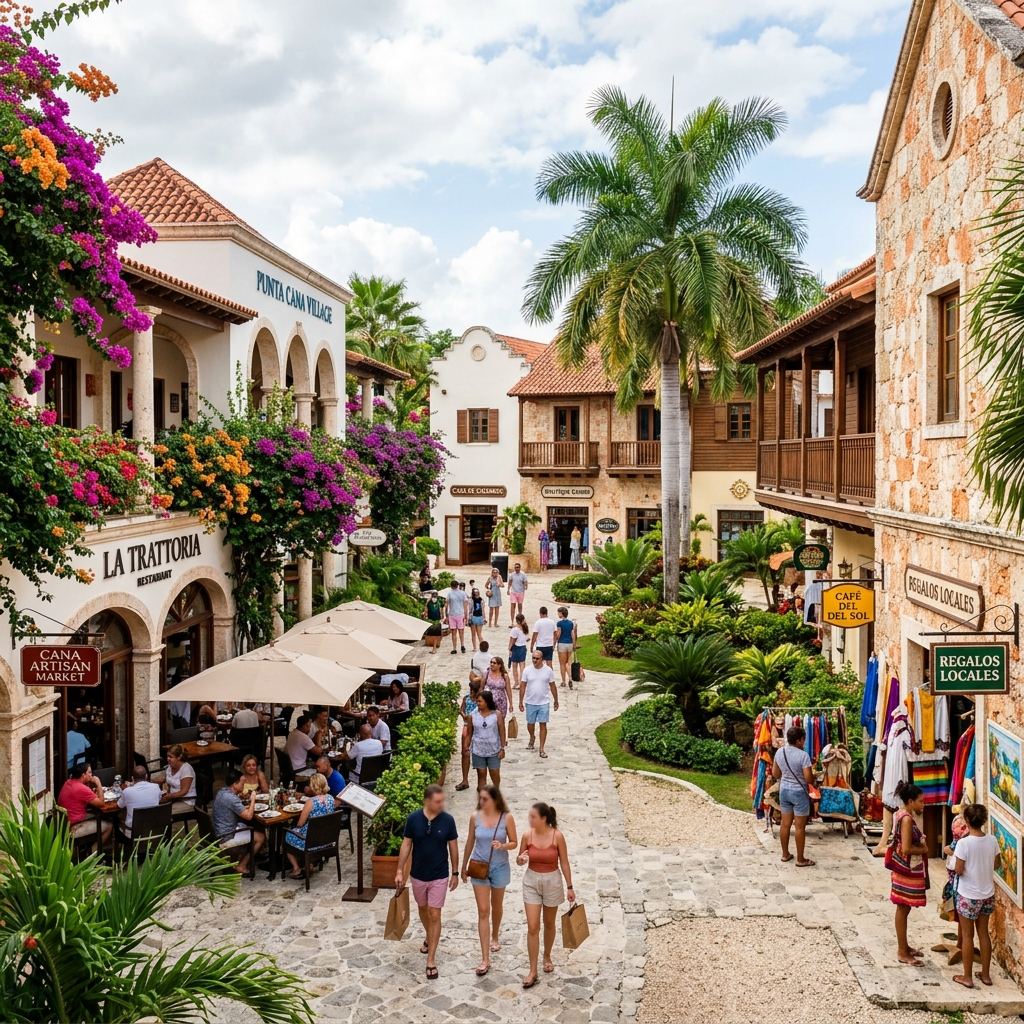
About Punta Cana Village
Punta Cana Village is the residential neighborhood adjacent to PUJ airport, and it occupies a different niche than the resort-focused neighborhoods. Originally built as housing for airport and resort workers, the area has evolved into a mixed-use neighborhood with a substantial expat population, vacation rental concentration, small restaurants and shops, schools, supermarkets, and the kind of daily-life infrastructure that resort zones lack. For travelers staying at Airbnbs, doing longer trips (10+ nights), or wanting a base that's closer to real Dominican daily life than to tourism-industrial resort experience, Punta Cana Village is often the right choice.
The character is residential and quiet. Houses, condos, and small apartment buildings line the streets in styles ranging from modest to upscale. Walking the neighborhood is feasible (sidewalks exist in most stretches) and you'll see kids walking to school, families heading to the supermarket, and the rhythms of a normal residential neighborhood. The contrast with Bávaro's tourism-corridor feel is meaningful; Punta Cana Village feels like a place where people actually live, because it is.
Vacation rental inventory is strong. Airbnbs in Punta Cana Village range from one-bedroom condos at $50 to $80 per night to four-bedroom villas with private pools at $300 to $600 per night. The rental quality varies; reading reviews matters. Properties in established gated communities like Cocotal (which neighbors Punta Cana Village) tend to be more reliable.
Dining is casual and small-scale. A handful of local restaurants serve Dominican food at non-tourist prices: comedores with daily lunch specials, small pizzerias, casual seafood spots, and a few more upscale options. Restaurants like Soles and various small Italian, Mexican, and Dominican spots fill the dining map. The food scene is significantly less tourist-targeted than El Cortecito and dramatically cheaper than the resort restaurants.
Shopping options are practical rather than tourist-focused. Supermarcado Nacional, Sirena, and other major DR grocery chains have full stores in or near Punta Cana Village. Pharmacies, hardware stores, and other daily-life retail are accessible. For Airbnb guests doing some cooking, Punta Cana Village's grocery access is one of its main practical advantages over more tourist-isolated neighborhoods.
The beach is a short drive away (5 to 15 minutes to public access points at El Cortecito or further north). The neighborhood itself does not have a beachfront. Travelers basing here typically rent a car or use Uber for daily beach trips.
Distance from PUJ airport is 5 to 10 minutes, the shortest of any neighborhood. The proximity matters meaningfully for travelers doing short trips, multi-trip stays, or anyone who values airport convenience.
Who it's best for: Airbnb guests, longer stays (10+ nights), expat-curious travelers, multi-trip visitors comfortable with off-tourism-circuit logistics, families wanting space and grocery access, digital nomads who want real internet and workspace, and travelers basing here while exploring multiple neighborhoods. Who it's not: first-time visitors wanting all-inclusive resort convenience (Bávaro is better), short-trip travelers (the off-beach base adds friction), and anyone who specifically wants the tourist-resort experience.
Highlights
- Closest neighborhood to PUJ airport
- Strong vacation rental and Airbnb inventory
- Real grocery and daily-life infrastructure
- Significant expat population
- Lower cost of living than resort zones