Best Time to Visit the Dominican Republic (2026): By Region and Month
Weather, sargassum, whales, swell, crowds and prices for every month, and how the answer changes from Punta Cana to Samaná, Puerto Plata and the south-west
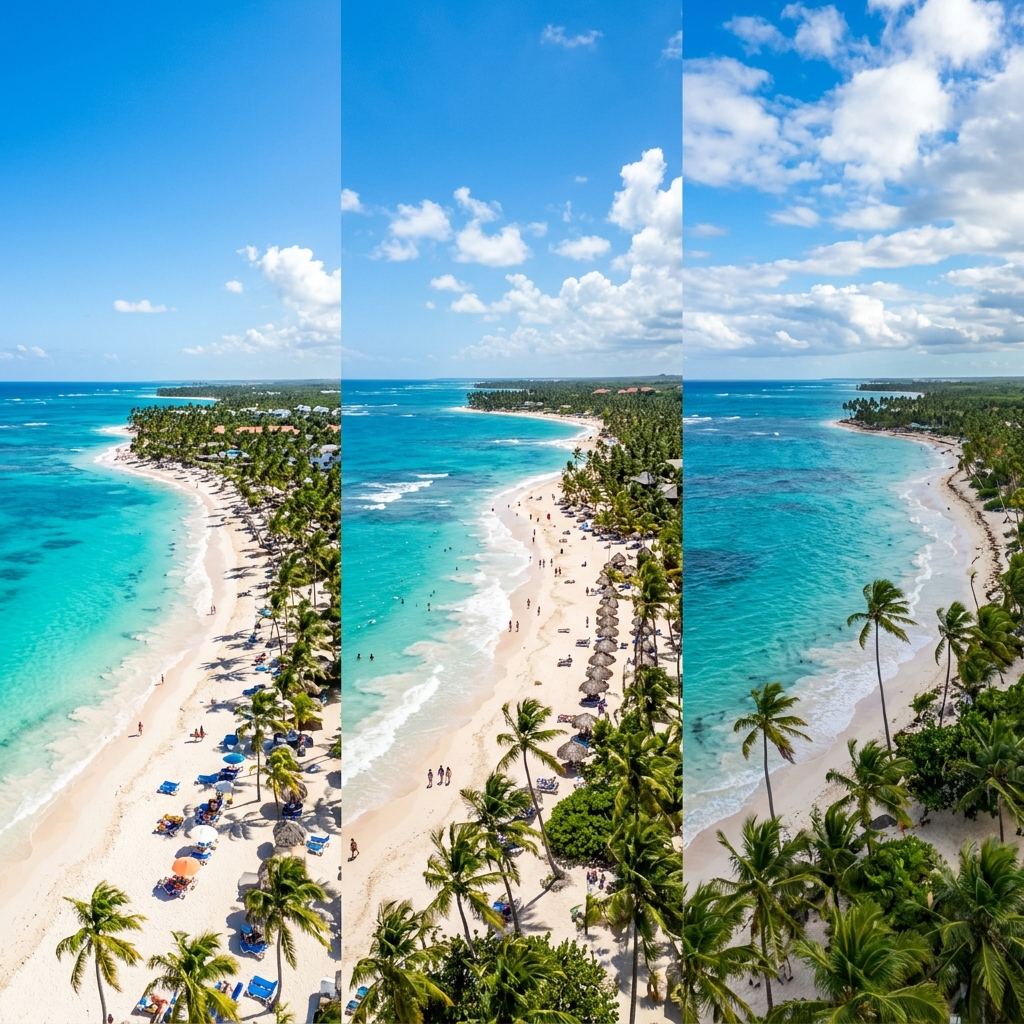
Most “best time to visit” articles say the same thing: go in winter, avoid hurricane season. That is not wrong, but it treats the Dominican Republic as one beach. It is not. The east coast faces the Atlantic seaweed drift, the north coast gets winter swell, the south faces the calmer Caribbean, and Samaná has a whale season that sets its whole calendar.
Temperatures barely change. What does change by month is rain, sargassum (seaweed), sea conditions, wildlife and price, and each of those depends on where you are.
The short version: February and March are the safest bets nationwide, with dry weather, no seaweed and whales in Samaná, but the highest prices. Late April and the first three weeks of November are the best value. From May to September, choose a coast that faces away from the sargassum drift (Bayahíbe, Miches, Cap Cana) or go north for calm summer seas. Mid-August to mid-October is peak hurricane season.
What Changes Month to Month
| Factor | When it matters | Where |
|---|---|---|
| Dry season | December to April | Everywhere |
| Hurricane risk | June 1 to November 30, peak August to October | Everywhere |
| Sargassum | Roughly May to September | Worst on the east coast (Punta Cana); much less in Bayahíbe, Miches and Montecristi |
| Whale season | January 15 to March 31, peak February | Samaná Bay |
| North swell | Roughly December to March | Puerto Plata, Cabarete, Samaná’s Atlantic beaches |
| Kite wind | June to August on the north coast; April to September at Buen Hombre | Cabarete, Montecristi |
| Domestic crowds | Semana Santa, Christmas, weekends | Strongest near Santo Domingo and in the south-west and north-west |
| Peak prices | Mid-December to mid-April | Resort areas |
Temperatures sit around 75°F (24°C) at night and 88°F (31°C) by day most of the year on the coast, and the sea stays warm for swimming year-round. When people talk about “the best weather,” they mean rain and humidity, not heat.
Month-by-Month
Each month starts with Punta Cana, where most visitors go, then notes how the other regions differ.
January: Peak Season, Whales Arrive
- Punta Cana: sunny, dry, low humidity. One of the best weather months. No seaweed, no hurricane risk. Very busy, with peak rates in the first two weeks.
- Samaná: whale season opens around January 15. Mid to late January has good sightings and fewer boats than February. See the whale-watching guide.
- North coast: dry but often wavy, with winter swell at Encuentro Beach and Playa Grande. Swim at Sosúa Beach.
- Best for: travelers who want reliable weather and do not mind paying for it.
February: The Busiest Month in Samaná
- Punta Cana: same excellent weather as January, slightly lower prices but still peak. The Punta Cana Carnival happens in February, part of the national carnival month.
- Samaná: usually the peak for whale numbers and the busiest, most expensive month for hotels near Samaná town and in Las Terrenas. Book early.
- South-west: dry roads and calm boat rides to Bahía de las Águilas; flamingos at Laguna de Oviedo.
- Best for: whale watching, carnival, and anyone who wants the most reliable weather.
March: Peak Season Climax
- Punta Cana: still excellent, slightly more humid by month’s end. US Spring Break, Canadian March Break and an early Easter can all converge, making it the most expensive stretch of the year.
- Samaná: still good for whales, with more mothers and calves as the season winds down to March 31.
- La Romana and Bayahíbe: calm seas for Saona and Catalina trips; book boats and tee times ahead.
- Best for: travelers tied to school schedules. Not for anyone avoiding crowds.
April: Peak Winds Down
- Punta Cana: excellent first half, more humid later. Trace sargassum can start on east-facing beaches like Bávaro and Macao. Crowds drop sharply after Easter, and the last two weeks are one of the best value windows of the year.
- Semana Santa: if Easter falls in April, the week before it is the country’s biggest domestic holiday. Beaches near Santo Domingo, river beaches near Barahona, and Montecristi’s El Morro and Cayo Arena fill with Dominican families.
- North coast: swell eases and the sea starts to calm.
- Montecristi: kite season begins at Playa Buen Hombre.
- Best for: anyone who can travel after Easter.
May: The Smart-Money Month
- Punta Cana: hot and more humid, with brief afternoon showers. Sargassum can start in real volume on east-facing beaches like Bávaro and Macao; Juanillo in Cap Cana usually stays much clearer. Rates can drop 30 to 40% from peak. Quiet, since schools are still in session.
- Elsewhere: shoulder season in La Romana and Bayahíbe, with lower prices and generally good weather. Some rain returns on the north coast, but the sea is often calm.
- Best for: value seekers. Pick a Cap Cana, Bayahíbe or Miches resort to sidestep most of the seaweed.
June: Shoulder With a Catch
- Punta Cana: hot, humid, more afternoon showers, mornings mostly clear. Sargassum often near peak on the east coast. Hurricane season starts June 1, though June storms are rare. Prices climb mid-month when North American schools finish.
- North coast: the start of the calmest swimming of the year and the most reliable kite wind in Cabarete.
- Miches: its north-facing beaches on Samaná Bay usually stay much clearer of seaweed than Punta Cana’s. See the Miches guide.
- Best for: budget travelers who choose their beach carefully, and kiters.
July: Family Season
- Punta Cana: the hottest month, humid, showers most afternoons but rarely all day. Seaweed often heavy on east-facing beaches, less of an issue at Cap Cana. Busy and surprisingly expensive because of family demand.
- North coast and Samaná: calm Atlantic beaches and steady kite wind; busy in July.
- La Romana: Casa de Campo’s golf courses close for maintenance for a few weeks in summer and early autumn, so check before planning a golf trip.
- Best for: families on summer break. Consider Bayahíbe or Miches for calmer, clearer water.
August: Heat, Humidity and Hurricane Watch
- Everywhere: heat like July with more rain. Tropical waves become a real factor and hurricane risk climbs fast. Most days still have plenty of sun.
- Punta Cana: sargassum often peaks. Family crowds continue, then drop sharply once schools restart; prices fall after mid-month.
- North coast: still the best summer sea and kite conditions until the wind starts to fade.
- Best for: travelers comfortable with uncertainty who buy insurance with a “cancel for any reason” rider.
September: The Cheapest Month
- Everywhere: the statistical peak of the Atlantic hurricane season and among the rainiest months, though many days are still sunny.
- Punta Cana: lowest crowds and prices of the year, often 50% or more off peak rates. Seaweed can still be significant. Some smaller resorts and restaurants reduce hours or close briefly.
- Santo Domingo coast: Boca Chica had a bad seaweed spell in September 2025, so check local news. See beaches near Santo Domingo.
- Cabarete: the Master of the Ocean watersports championship ran September 16 to 20 in 2026 and is free to watch.
- Samaná and the north coast: the quietest, cheapest period, with some seasonal hotel closures.
- Best for: bargain hunters with good travel insurance and a flexible itinerary.
October: Still Hurricane Season, Improving
- Everywhere: heat eases slightly by month’s end; rain continues. Hurricane risk is still real in the first three weeks and drops by late October. Seaweed thins.
- Montecristi: kite schools at Buen Hombre describe October and November as the rainiest months.
- Best for: same profile as September with slightly better odds.
November: The Other Smart-Money Month
- Punta Cana: cooling, drying and less humid. By mid-November conditions are excellent and seaweed is mostly gone. Low prices in the first half, rising toward US Thanksgiving.
- Montecristi: the comfortable season starts (November to April), though early November can still be wet.
- North coast: winter swell can start arriving late in the month.
- Best for: the best price-to-experience ratio of the year, especially the first two or three weeks.
December: Holiday Frenzy
- Everywhere: dry, breezy and pleasant.
- Punta Cana and the resort areas: quiet first two weeks, then December 20 to January 3 is the most expensive window of the year, with booked-out restaurants and pricier transfers.
- Samaná and the north coast: dry season begins, Atlantic beaches get bigger waves, and Las Galeras hotels fill up early for the holidays.
- Best for: the first half of the month is excellent value. Holiday travel is its own thing; do it only if you want the festive atmosphere.
Region by Region
Punta Cana and Bávaro
Best: February to April for weather; late April, May and early November for value. Main summer issue: sargassum on east-facing beaches, so choose Cap Cana in summer. Airport: PUJ, minutes from the resorts. See Bávaro and Cap Cana.
Samaná Peninsula
Best: mid-January to March for whales, December to April for dry weather, May to August for calmer Atlantic beaches and lower prices. Avoid: September and October unless you want the lowest prices and accept some closures. Big waves from December to March on open beaches like Playa Cosón and Playa El Valle; calm water at Cayo Levantado and La Playita. More in the Samaná travel guide.
Puerto Plata, Sosúa and Cabarete
Best: December to April for dry weather (with winter swell), April to August for the calmest sea, June to August for kite wind. Quietest and cheapest: September to November. On cruise ship days, do the old town and the 27 Waterfalls early. More in the Puerto Plata travel guide.
La Romana and Bayahíbe
Best: December to April for calm boat trips; May, June and November for value. Summer is hot but has far less seaweed than Punta Cana. More in the La Romana and Bayahíbe guide.
Miches and Costa Esmeralda
Same climate as Punta Cana, but the summer seaweed season is much kinder on these north-facing beaches. A strong choice from May to September. See Playa Esmeralda.
Santo Domingo, Boca Chica and Juan Dolio
Best: December to April, on weekdays. Avoid weekends and Semana Santa if you want space at Boca Chica or Juan Dolio. Some summers bring seaweed.
Barahona and Pedernales
Best: December to April for road conditions, calm boats and flamingos. Summer is hot but workable with usually less seaweed than the east. Avoid Semana Santa, when rooms sell out. Heavy rain in hurricane season can close dirt roads. See the road trip guide.
Montecristi and Punta Rucia
Best: November to April for comfort and low seaweed risk; April to September for kitesurfing at Buen Hombre. The day of the week matters more than the month: Sundays and holidays crowd El Morro and Cayo Arena. See the Montecristi guide.
Quick Comparison: Punta Cana
| Month | Weather | Sargassum | Hurricane | Crowds | Price |
|---|---|---|---|---|---|
| Jan | Excellent | None | None | High | $$$$ |
| Feb | Excellent | None | None | High | $$$$ |
| Mar | Excellent | None | None | Very high | $$$$ |
| Apr | Very good | Trace | None | High to medium | $$$$ to $$$ |
| May | Good | Variable | None | Low | $$ |
| Jun | Mixed | High risk | Low | Medium | $$ |
| Jul | Hot, wet | High risk | Low to medium | High | $$$ |
| Aug | Hot, wet | High risk | Medium | High to low | $$$ to $$ |
| Sep | Wettest | High risk | High | Lowest | $ |
| Oct | Improving | Easing | Medium | Low | $ |
| Nov | Excellent by mid-month | Mostly clear | Low | Low to medium | $$ |
| Dec | Excellent | None | None | Low to very high | $$ to $$$$$ |
Sargassum in Brief
Sargassum has washed up on Caribbean beaches in larger amounts since 2011. It is not a health hazard, though rotting piles smell. East-facing Punta Cana beaches get the most; Bayahíbe, Miches, Cap Cana’s Juanillo and Montecristi get much less. Resorts clean their frontage every morning, and from November to March every coast is almost always clear. For the full region-by-month breakdown, see our sargassum guide.
Hurricane Season
The season runs June 1 to November 30, with a realistic peak from mid-August to mid-October.
- Direct hits are uncommon. Most Atlantic systems track north of Hispaniola, and the island’s mountains weaken storms. Uncommon is not never.
- Disruption is more common than damage. A storm 200 miles offshore can mean two days of rain, rough surf, closed beaches and cancelled boat trips. That matters more in boat-dependent regions like Samaná, Bayahíbe, Pedernales and Montecristi.
If you book in this window, buy travel insurance with a hurricane or weather clause and read what triggers coverage. Most policies need a named storm and a formal evacuation order, not just a rainy week.
Best Months by Traveler Type
- First-time visitor wanting the safest bet: late January to mid-April, in Punta Cana or Bayahíbe.
- Whale watchers: February in Samaná.
- Surfers: December to March on the north coast.
- Kiters: June to August in Cabarete, April to September at Buen Hombre.
- Budget travelers: late April or the first three weeks of November.
- Bargain hunters: September, with real insurance and a resort with good indoor options.
- Summer travelers who want clear beaches: Bayahíbe, Miches or Cap Cana.
- Couples wanting empty beaches: early December or early November, on weekdays.
- Wedding and honeymoon planners: February or November.
Final Verdict
- Best weather guarantee: February or March
- Best value: late April, May or the first three weeks of November
- Cheapest: September, with insurance
- Whales: February in Samaná
- Calmest north-coast sea: June to August
- Most expensive: December 20 to January 3, and Semana Santa
The month matters, but the region and beach you pick for that month matter more. A July trip to Bayahíbe can beat a July trip to central Bávaro, and a February trip to Samaná gives you something no other month can.
Once you have your dates, read our guide on getting to the Dominican Republic for airports and transfers, then the packing list for season-specific gear.
Frequently Asked Questions
What is the best month to visit the Dominican Republic?
February and March are the safest bets almost everywhere: dry, sunny, no hurricane risk and no seaweed, plus humpback whales in Samaná Bay. They are also the most expensive months. For better value with similar conditions, the weeks after Easter in late April and the first three weeks of November are excellent windows.
When is whale season in Samaná?
The official season usually runs from January 15 to March 31, with February typically the peak for numbers and activity. February is also the busiest and priciest month for Samaná hotels. Trips leave from Samaná town and Las Terrenas, and full-day tours run from Punta Cana.
When is hurricane season in the Dominican Republic?
The Atlantic hurricane season runs June 1 to November 30, with the realistic peak from mid-August to mid-October. Direct hits are uncommon, but rainy spells and rough surf from passing systems are more frequent. If you travel in this window, buy travel insurance with a hurricane clause and leave flexibility for boat trips.
Which part of the Dominican Republic is best in summer?
For beaches, the coasts that face away from the Atlantic seaweed drift: Bayahíbe and Dominicus on the Caribbean side, Miches on Samaná Bay, and Juanillo Beach in Cap Cana. The north coast around Puerto Plata and Cabarete usually has its calmest sea and most reliable kite wind from June to August, and Samaná's Atlantic beaches are often calmer in summer too.
When are the waves biggest on the north coast?
From roughly December to March, Atlantic swells reach the north coast. That makes Encuentro, Playa Grande and the open beaches of Samaná great for surfers but rougher for swimmers. Sheltered spots such as Sosúa Beach, Playa Caletón and La Playita in Las Galeras stay calmer. April to August is usually the calmest swimming of the year there.
What is the cheapest month to visit the Dominican Republic?
September is usually the cheapest month, often 50% or more below peak resort rates in Punta Cana. The trade-offs are real: it is among the rainiest months and the statistical peak of hurricane season, and some smaller hotels close briefly. May and the first half of November are the next cheapest windows with much better weather.
Should I avoid Easter week (Semana Santa) in the Dominican Republic?
If you want quiet beaches, yes. Semana Santa is the biggest domestic holiday week, and Dominican families fill the beaches near Santo Domingo, the river beaches around Barahona, Pedernales, Montecristi and Las Galeras. Resort areas like Punta Cana stay busy with international travelers too. Book rooms early if you must travel that week.
Should I avoid Christmas and New Year?
Only if you are price-sensitive or crowd-averse. December 20 to January 3 is the most expensive window of the year in the resort areas, with packed restaurants and premium transfer pricing. The first two weeks of December have the same good weather at much lower prices.