Money, Tipping and ATMs in the Dominican Republic (2026)
USD vs pesos, what to tip whom, ATM strategy, where you need cash outside Punta Cana, and how to avoid the worst exchange rates
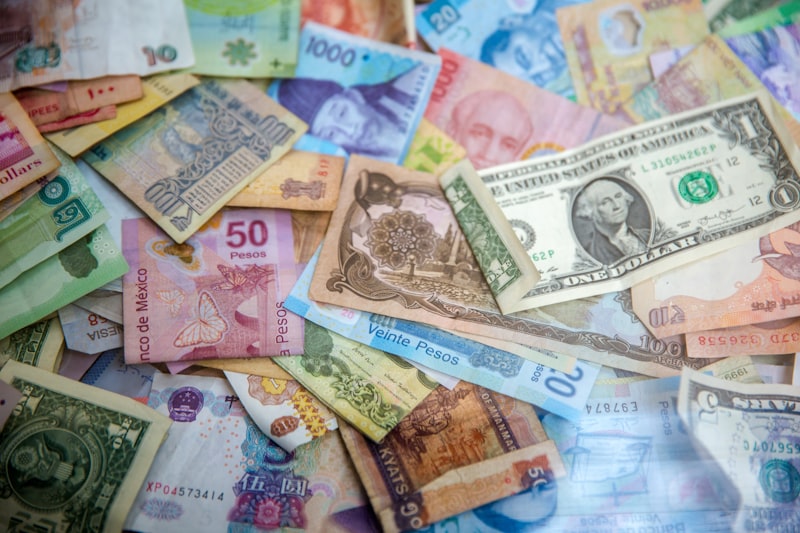
Money in the Dominican Republic is easy in the resort zones, where USD is widely accepted, and more cash-dependent the further you go from them. In Punta Cana you can tip in dollars and pay most things by card. In Las Galeras, Pedernales or Punta Rucia, you want pesos in your pocket before you arrive. The details matter: bringing only $50 bills or relying on cards leaves you stuck, and knowing what to tip and where to get pesos keeps the trip smooth.
The short version: Bring USD in small bills ($1, $5, $10, $20) for tips and resort-area spending. Get pesos from bank ATMs as needed, and withdraw extra before heading to Las Galeras, the south-west or Montecristi. Always decline dynamic currency conversion. Tip at all-inclusives even though service is “included.” Carry both card and cash.
The Two Currencies
The Dominican Republic uses the Dominican peso (DOP). The rate was around 60 DOP to 1 USD in October 2026 and moves a little day to day. Check the current rate before traveling.
Both DOP and USD circulate freely in the tourist zones of Punta Cana, Bayahíbe, the Miches resorts and the Puerto Plata coast. Elsewhere, pesos are the everyday currency. In the tourist zones you can pay for almost anything in USD or in pesos. The choice is yours, with a few practical considerations:
- USD usually slightly better. Many businesses round to USD-friendly numbers; pesos are sometimes converted at slightly worse rates.
- Pesos better for very small purchases. A $1 bottle of water is sometimes 50 pesos at a colmado; the same purchase in USD at a resort would be $4. The peso world is cheaper than the resort dollar world.
- Pesos better for tipping local staff when possible. Lets staff avoid the trip to a currency exchange.
Best Strategy: USD-Heavy with Some Pesos
For most resort guests:
- Bring $300-$500 in USD in mixed small bills ($1, $5, $10, $20)
- Use a credit card with no foreign transaction fees for restaurant and excursion charges over $20
- Get a few thousand pesos from a bank ATM early in the trip for colmados, beach shacks, tolls and small tips
For Airbnb guests, road trips and longer stays, scale these numbers up and lean more on pesos.
Cash by Region
| Region | USD accepted? | Cards | Cash notes |
|---|---|---|---|
| Punta Cana and Bávaro | Widely | Widely | ATMs in resort lobbies, banks and malls |
| La Romana and Bayahíbe | At resorts and tours | Resorts, better restaurants | Pesos for village restaurants and motoconchos |
| Miches | At resorts | At resorts | Few services outside the resorts; bring pesos for lagoon and waterfall trips |
| Samaná | Hotels, tours | Hotels, better restaurants | Withdraw in Las Terrenas or Samaná town before Las Galeras; whale sanctuary wristband (around $5 to $6 in 2026) often collected in cash |
| Puerto Plata coast | Widely in Sosúa, Cabarete, Playa Dorada | Widely | Pesos for guaguas and comedores |
| Santo Domingo coast | Some | Widely in the city | Pesos for beach chairs, fish shacks and boat rides at Boca Chica |
| Barahona and Pedernales | Rarely | Limited | Mostly cash; one bank branch in Pedernales, ATM reported empty on weekends |
| Montecristi and Punta Rucia | Rarely | Limited | Banks in Montecristi town; no confirmed ATM in Punta Rucia; boat captains and park fees usually cash |
Tolls on the highways to Samaná and from Punta Cana to Santo Domingo are paid in pesos. Park fees such as El Morro in Montecristi (RD$100 per person was reported in 2022) are usually cash. Fish sold by weight at beach shacks, common in Boca Chica, Montecristi and Pedernales, should be priced before it is cooked.
ATMs
Where to use them
- Inside resort lobbies. Major resorts in Punta Cana and the other resort zones have ATMs from Banco Popular, Scotiabank, or BHD León. Safe, English interface, reasonable rates.
- Inside bank branches. During business hours (typically 8:30am to 4pm Monday to Friday). Most secure option.
- Inside major shopping centers like Palma Real Shopping Village in Bávaro.
- In the main towns before heading somewhere remote: Las Terrenas or Samaná town for Las Galeras, Barahona or Santo Domingo for Pedernales, Montecristi town or Puerto Plata for Punta Rucia.
What to avoid
- Standalone street ATMs, especially after dark
- ATMs at sketchy or unfamiliar locations
- Currency exchange kiosks at the airport (rates are terrible)
- Hotel front desk currency exchanges at non-major resorts (often poor rates)
How to use them
- Insert card, enter PIN
- Decline the “dynamic currency conversion” option. It will offer to charge in your home currency at a “convenient” rate that’s typically 5-10% worse than the standard rate.
- Withdraw a moderate amount ($100-$200 USD equivalent in DOP)
- Take card and cash, count before leaving
- Maximum withdrawal limits vary by ATM (typically 10,000 to 20,000 DOP per transaction)
Fees to expect
- Your home bank’s foreign ATM fee ($3-$10 typically; check your bank’s policy)
- DR ATM operator fee ($2-$5)
- Total: roughly $5-$15 per ATM withdrawal
If you anticipate needing significant peso cash, withdraw larger amounts less frequently to minimize per-transaction fees. But don’t carry more cash than you need.
Tipping Etiquette
Tipping is where many travelers get confused. The short answer: tip even at all-inclusive resorts where it is “included,” because:
- Service is noticeably better when staff knows tips arrive
- Your bartender’s “kind of mediocre rum drink” becomes “let me make you the good stuff” with a $2 tip on the first round
- Resort tips are often pooled or gross-revenue-percentaged; cash tips go to the specific person
At All-Inclusive Resorts
| Recipient | Suggested Amount |
|---|---|
| Bartender | $1-$2 per drink |
| Server (sit-down meal) | $2-$5 per meal |
| Buffet attendant | $1 per visit |
| Pool/beach attendant | $2-$5 per day |
| Housekeeping | $5-$10 per day, left visibly in room |
| Concierge | $5-$20 for substantive help |
| Bellhop | $1-$2 per bag |
| Spa therapist | 15-20% of treatment cost |
Tip in USD or pesos; both work. USD small bills are easiest.
At Off-Resort Restaurants
Restaurant bills in the Dominican Republic usually add 18% tax (ITBIS) and a 10% service charge (servicio). Check the bill before tipping.
- Casual restaurants: 10% if servicio is not already added
- Mid-range restaurants: 10-15%
- Fine dining: 15-20%
- Cash tip on top of card payment ensures the server gets it directly
When “servicio 10%” is already on the bill, which is common in El Cortecito, Las Terrenas and Cabarete, custom is to also leave 5-10% in cash for the server. At a roadside comedor or beach shack, rounding up is enough.
Transportation
- Pre-booked private drivers: $5-$15 per trip depending on length, on top of the negotiated fare
- Resort airport transfer driver: $5-$10 per couple at the end of the trip
- Uber: Optional, $1-$3
- Registered taxis: $1-$3 for short trips, more for long ones
Excursions
- Catamaran/snorkeling crew: $5-$10 per person at the end of the trip
- Tour guides (Saona, Hoyo Azul, whale watching, Los Haitises, etc.): $5-$15 per person
- Boat captains on Las Galeras beach runs, Cayo Arena or the Bahía de las Águilas boats: $5-$10 per group, in pesos where possible
- Guides at the 27 Waterfalls or El Limón waterfall: $5-$10 per person
- Drivers on excursion buses: $1-$5 per person
- ATV/buggy guides: $5-$10 per person
Credit Cards
What works
- Visa and Mastercard: Widely accepted in tourist areas; limited in small towns and the south-west
- American Express: Accepted at most upscale resorts and restaurants; spotty at smaller places
- Discover: Limited acceptance
Best card to use
- No foreign transaction fee card. Saves 2-3% per swipe.
- Travel rewards card if you have one. Spending in the Dominican Republic counts as international.
- Chip and PIN-enabled card. Some chip-only readers don’t take signatures.
Tips for using cards
- Pay in pesos when given the choice. Dynamic currency conversion at the terminal is always a bad deal.
- Keep your card in sight at restaurants. Most places will bring a portable terminal to the table; if not, watch where the card goes.
- Notify your bank of travel to avoid fraud-block freezes. Most banks now have travel notifications in their apps.
- Keep a backup card in the room safe in case your primary is lost or compromised.
Common Money Mistakes
- Bringing only large US bills. A $100 bill is awful for tipping; nobody can break it cleanly.
- Currency exchange at the airport. Rates are 5-10% worse than ATMs.
- Accepting dynamic currency conversion. Always decline. Always.
- Not bringing any cash and trying to credit-card everything. Beach bars, market stalls, small shops and most of the south-west are cash only.
- Tipping only in pesos in resort areas where staff prefer USD (or vice versa). Read the room; both work, but pay attention.
- Leaving cash visible in unlocked rooms. Use the safe.
- Withdrawing cash from sketchy or unattended ATMs. Card skimming is rare but possible.
- Forgetting that excursions and spa treatments require cash tips even when the activity itself is paid by card.
- Underestimating tipping budget. A week-long trip easily uses $150-$200 just in tips.
- Bringing brand-new uncirculated bills. Some local businesses are wary of $100 bills due to counterfeit concerns; circulated bills attract less scrutiny.
- Heading to Las Galeras, Pedernales or Punta Rucia without enough pesos. ATMs there are limited or unreliable.
Quick Cheat Sheet
| Situation | Best Move |
|---|---|
| Paying for a $5 drink at a beach bar | Cash, USD or pesos |
| Tipping a bartender at an all-inclusive | $1-$2 USD per drink |
| Paying for a $80 dinner at La Yola | Credit card, pay in pesos |
| Buying souvenirs in El Cortecito | Cash, pesos preferred for negotiation |
| Tipping housekeeping | $5-$10 USD per day, left in room |
| Paying for a Saona day trip from Punta Cana (around $120 in 2026) | Credit card if available, else cash |
| Paying a boat captain in Las Galeras or Montecristi | Cash, pesos |
| Paying highway tolls | Cash, pesos |
| Tipping a tour guide | $10-$15 USD per person |
| Buying water from a street vendor | Cash, small pesos |
| Withdrawing pesos | Bank ATM in resort lobby |
| Exchanging $200 USD for pesos | Don’t; just use ATM instead |
Final Verdict
Money in the Dominican Republic is straightforward if you bring USD in small bills, use a no-foreign-fee credit card, withdraw pesos from bank ATMs, and tip even where it is “included.” Outside the resort zones, switch to pesos and stock up in the bigger towns before heading somewhere remote. The mistakes that cost real money (dynamic currency conversion, airport exchanges, running out of cash in a village with no ATM) are easy to avoid once you know about them.
For region-specific money tips, see the Samaná, Barahona and Pedernales and Montecristi guides.
For the broader trip prep, see the getting there guide, the safety guide, and the first-timer’s guide.
Frequently Asked Questions
Can I use US dollars in the Dominican Republic?
In the resort areas, yes. In Punta Cana, Bayahíbe, the Miches resorts and the Puerto Plata coast, US dollars are widely accepted at resorts, restaurants, taxis and tour operators, and many places quote both USD and Dominican pesos (DOP). Outside those areas, in places like Barahona, Pedernales, Montecristi and Samaná's small villages, pay in pesos. Bring small bills ($1, $5, $10, $20) for tips.
Should I exchange money to Dominican pesos before my trip?
Generally no. The exchange rates at airport kiosks and US currency exchanges are bad. Better strategies: pay in USD where accepted, use ATMs in DR for pesos when needed, or exchange a small amount at your resort front desk for daily expenses. The Dominican peso (DOP) traded at around 60 DOP to 1 USD in October 2026; check the current rate before you leave.
What is the best way to get Dominican pesos?
ATMs inside banks and inside larger resort lobbies are the best option. Use Banco Popular, Scotiabank, or BHD León branded ATMs when possible. Decline the 'dynamic currency conversion' option (always a worse rate). Withdraw moderate amounts ($100-$200 USD equivalent) at a time. Avoid standalone street ATMs and airport currency kiosks.
How much should I tip in the Dominican Republic?
At all-inclusive resorts: $1-$5 per drink at bars, $1-$2 per food order, $5-$10 per day for housekeeping (left in the room), $5-$20 for concierge. At restaurants: bills usually add 18% tax and a 10% service charge, so leave an extra 5-10% in cash for good service. Taxi drivers: $1-$3 short trips, $5-$10 longer. Excursion guides: $5-$20 per person for the day.
Are credit cards accepted in the Dominican Republic?
In tourist areas, yes. Visa and Mastercard are widely accepted at resorts, hotels, better restaurants and tour operators across the country. American Express and Discover are spottier. Always carry cash; smaller restaurants, beach shacks, boat captains, park fees and many guesthouses in Samaná, the south-west and Montecristi are cash only. Use a credit card with no foreign transaction fees to avoid 2-3% per swipe charges.
Are ATMs safe to use in the Dominican Republic?
Yes, with sense. Use ATMs inside banks (during business hours) or inside resort lobbies. Avoid standalone street ATMs and especially nighttime ATM use. Cover the keypad when entering your PIN. Decline dynamic currency conversion. Always pull out and count cash before leaving the ATM area. Card skimming is rare at major bank ATMs but possible at unattended ones.
How much cash should I bring for a week?
For a couple at an all-inclusive resort: $200-$300 in cash for tipping plus another $200 for off-resort dining and incidentals, mostly in $1, $5, $10 and $20 bills. For Airbnb stays or longer trips: $400-$600 plus reliable ATM and card access. For road trips to Barahona and Pedernales or Montecristi, withdraw enough pesos in a city for the whole stay. Keep cash in more than one place.
Where in the Dominican Republic do I need cash?
Mostly outside the big resort zones. Las Galeras has limited ATMs, so withdraw in Las Terrenas or Samaná town first. Pedernales has a single bank branch whose ATM has been reported empty on weekends, so take out pesos in Barahona or Santo Domingo. We could not confirm an ATM in Punta Rucia; Montecristi town has banks. Toll booths, motoconchos, beach shacks, boat captains and park fees usually want pesos.