Internet, Phone and SIM Cards in the Dominican Republic (2026)
Resort WiFi, eSIMs, Claro and Altice SIMs, roaming, and where signal drops on the remote beaches of Samaná, the south-west and Montecristi
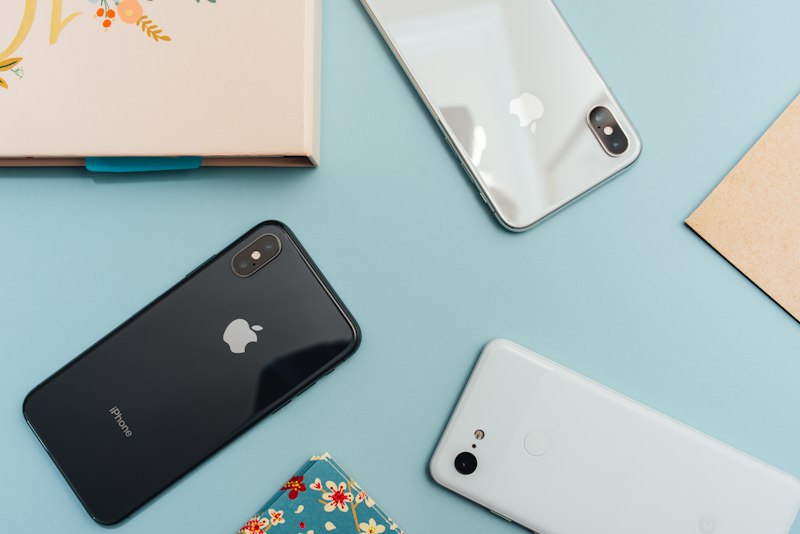
Staying connected in the Dominican Republic is easy in 2026 wherever most tourists go. In Punta Cana, Santo Domingo, Puerto Plata, Las Terrenas and Bayahíbe, resort WiFi plus a cheap eSIM covers messaging, navigation, social media and video calls home. The common mistake is overpaying for carrier roaming when an eSIM of around $15 does more for less. The other is assuming the signal you get in Bávaro will follow you to Bahía de las Águilas. It will not.
Here is the 2026 playbook.
The short version: Resort WiFi handles most of what tourists need. For mobile data outside the resort, an eSIM via Airalo or Holafly is the cheapest, easiest option (5 to 15 minute setup, around $10 to $30 for a typical trip in 2026). Local physical SIMs work but take more effort. Claro is the strongest local carrier; Altice is fine. Skip carrier roaming if you can. On remote road trips, download offline maps, because signal drops away from the towns.
The Three Connectivity Options
Travelers have three real choices for staying connected.
| Option | Cost, 7-day trip (around, 2026) | Setup | Best for |
|---|---|---|---|
| Resort WiFi only | Free (included) | None | Light users; staying mostly at resort |
| eSIM (Airalo, Holafly, etc.) | $10-$30 | 5-15 min via app | Most travelers; flexible mobile data |
| Local physical SIM (Claro, Altice) | $15-$40 | 30-60 min including ID at shop | Long stays; heavy users; specific phone setup |
| Carrier international roaming | $50-$150 | None | Travelers who don’t want to think about it |
Resort WiFi: the easy default
Every major all-inclusive in the country provides free WiFi. Coverage is generally strong in lobbies, restaurants, and common areas; sometimes weaker in the pool or far guest rooms. Speed is typically 10 to 50 Mbps download in resort areas, more than enough for video calls, streaming, and standard tourist use.
For travelers who plan to spend most time at the resort and don’t need data while on excursions or off-property, the resort WiFi alone is sufficient. Buffet line photos go to social media at 11 AM with no extra cost.
eSIM: the smart-money pick
For travelers wanting mobile data outside the resort, an eSIM is usually the cheapest, easiest option. The major eSIM providers all offer Dominican Republic or Caribbean-region plans:
| Provider | Typical 7-day plan (around, 2026) | Notes |
|---|---|---|
| Airalo | $9-$25 for 1-10 GB | Largest provider; user-friendly app |
| Holafly | $19-$54 for unlimited | Unlimited data; pricier per GB |
| Ubigi | $13-$30 for 3-10 GB | Reliable; T-Mobile partner |
| GigSky | $15-$40 for 3-10 GB | Decent backup option |
How eSIM works:
- Download the provider’s app (Airalo is the most-used)
- Browse Dominican Republic plans, pick a data tier
- Pay via credit card; receive an eSIM via QR code
- Scan the QR code on your phone to activate (settings > cellular > add cellular plan)
- Once activated, the eSIM connects automatically when you arrive in the DR
Requirements:
- Phone must be eSIM-compatible (iPhone XS or newer, most Pixel phones, recent Samsung Galaxy phones)
- Phone must be unlocked
- Activation should be done before traveling or via airport WiFi on arrival
Practical:
- Activate the eSIM 24 hours before traveling so it’s ready on landing
- Keep your home eSIM/SIM active simultaneously (modern phones support dual SIM); incoming calls and texts to your regular number still work
- Speeds on eSIM connections in Punta Cana and the other main tourist areas typically range 5 to 50 Mbps depending on tower proximity and time of day
Local physical SIM cards
For travelers who specifically want a Dominican phone number (long stays, repeat visitors, expats), local physical SIM cards work well.
| Carrier | Coverage | Notes |
|---|---|---|
| Claro | Nationwide; strongest in Bávaro, Cap Cana, Uvero Alto | Best for tourists; widely recommended |
| Altice | Nationwide; slightly less consistent in Punta Cana’s resort zones | Competitive pricing |
| Vivo | Smaller carrier, weaker coverage | Less recommended for tourists |
How to get a local SIM:
- Bring an unlocked phone and your passport
- Go to a Claro or Altice store. In Punta Cana there are locations in shopping centers like Palma Real, Downtown Punta Cana and San Juan Shopping; both carriers have stores in Santo Domingo, Puerto Plata, La Romana and the other main towns. Buy before heading to small places like Las Galeras or Pedernales.
- Show passport for ID verification (required by DR law)
- Choose a plan; typical tourist prepaid plans were around $15 to $40 in 2026 with 5 to 30 GB data
- Receive a physical SIM, swap into your phone, configure APN settings if needed
- Top up via the carrier app or at colmados that sell recargas
Practical:
- A physical SIM gives you a local Dominican phone number, which is useful for booking restaurants, calling drivers, etc.
- Setup takes 30 to 60 minutes including travel to a store
- Top-ups are easy via the carrier app or in person at colmados (most colmados sell prepaid recargas)
Carrier international roaming
For travelers who don’t want to think about it, paying your home carrier for international service works. The cost varies dramatically:
| US Carrier | Typical DR international plan (around, 2026) |
|---|---|
| T-Mobile (Magenta/Magenta MAX) | Often included; 2G data and unlimited texts free |
| Verizon TravelPass | $10-$12 per day; uses domestic plan abroad |
| AT&T International Day Pass | $12 per day; uses domestic plan abroad |
| Other carriers | Varies; usually expensive |
For a 7-day trip, T-Mobile’s included international can be the cheapest path if you have it. Verizon and AT&T’s daily fees (around $70 to $84 for a week) are two to three times what a local SIM or eSIM costs.
Bottom line: For most travelers, an eSIM is the right answer in 2026. Cheaper than carrier roaming, less friction than a local SIM, sets up before you land. Skip the carrier international plan unless you’re on T-Mobile.
Calling Home
Three ways to call home:
1. WhatsApp / FaceTime / VoIP (best)
Free over WiFi or your data plan. Works from anywhere with internet. Quality depends on connection but is usually fine on resort WiFi. Most travelers home calls happen this way.
2. Cellular international calls
Possible but expensive. From a Dominican SIM, calls to the US, Canada or Europe were around $0.30 to $1 per minute in 2026. Most travelers don’t bother given how well VoIP works.
3. Hotel phone
Resort hotel phones can place international calls but the markup is severe, often $5 or more per minute. Avoid.
Practical Connectivity Tips
A few practical notes:
- Activate eSIM before traveling. Use airport or resort WiFi to activate; ready when you land. Avoid having to set it up while jet-lagged.
- Take a screenshot of your hotel WiFi password. Speed bumps when room WiFi reconnect prompts you and you can’t remember the credentials.
- Download offline Google Maps for every region you will visit. Essential for the south-west, Montecristi and Samaná’s back roads.
- Download Uber and a translator app before traveling. Both are useful and easier to set up at home than on a slow airport WiFi.
- Use a VPN for sensitive transactions. Banking, work email, etc. on public WiFi (airport, restaurants, beach bars) should run through a VPN. ProtonVPN or NordVPN work fine.
- Keep your phone charged. Excursion days drain phones (camera use, GPS, photos). A power bank in your day pack is worth the space.
What About iMessage and SMS?
iMessage works fine on resort WiFi or eSIM/SIM data; messages to other iPhones travel free over data. Standard SMS depends on your home plan and roaming setup; on T-Mobile international plans, SMS is usually free; on others it’s typically $0.50 per text.
Two-factor authentication codes (banks, work logins) are sometimes sent via SMS rather than data. Make sure your home number can receive SMS while abroad, or set up authentication apps (Authy, Google Authenticator, Microsoft Authenticator) before traveling. Getting locked out of your bank because your 2FA texts aren’t coming through is a frustrating travel-day moment.
Connectivity by Region
| Region | What to expect |
|---|---|
| Punta Cana and Bávaro | Strong resort WiFi and 4G/LTE across the tourist zones; weaker at remote beaches like Macao |
| Santo Domingo coast | Strong in the capital, Boca Chica and Juan Dolio; best place to buy a SIM |
| La Romana and Bayahíbe | Good in La Romana, Bayahíbe and the Dominicus resorts; drops at sea on the way to Isla Saona |
| Miches | Resort WiFi is the main connection; coverage thins on the coast road and around Montaña Redonda |
| Samaná | Good in Las Terrenas and Samaná town; patchier on mountain roads and at boat-access beaches like Playa Frontón |
| Puerto Plata coast | Good in Puerto Plata, Sosúa and Cabarete, where many remote workers stay long-term |
| Barahona and Pedernales | Fine in Barahona and Pedernales towns, patchy on the coast road, absent at Bahía de las Águilas and Hoyo de Pelempito |
| Montecristi and Punta Rucia | Works in Montecristi town; patchy on rural stretches and out on the cays |
For remote regions, download offline maps, save hotel and boat contacts before you lose signal, and tell someone your plans for the day.
Internet Speeds
Approximate speeds across various contexts:
| Setting | Typical download speed |
|---|---|
| Major resort WiFi | 10-50 Mbps |
| PUJ airport WiFi | 10-25 Mbps |
| eSIM/local SIM mobile data (4G/LTE) | 5-50 Mbps depending on tower |
| Resort restaurant area | Usually weaker than rooms |
| Beach (resort) | Often weakest WiFi spot; mobile data better |
| Airbnb/rental (varies) | 5-100 Mbps depending on property |
Speeds at the better resorts and in Punta Cana, Santo Domingo and the north-coast towns are now competitive with US and European standards. The slow spots are beachfront WiFi (signal fades with distance from the building) and remote locations: Macao, rural roads, and the far south-west and north-west.
What to Skip
- Hotel international call cards / pay-per-minute hotel phones, gouges
- Buying SIM cards from random street vendors, risk of fakes or scam pricing; use carrier stores
- Carrier international roaming on Verizon/AT&T unless your trip is very short, eSIM is cheaper
- Public WiFi without a VPN for banking or work, security risk
Final Verdict
Connectivity in the Dominican Republic’s main tourist areas is essentially solved in 2026. Resort WiFi covers most needs, and an eSIM handles mobile data off the property; both are cheap and easy. The travelers who get this wrong are usually paying daily roaming fees that cost more than a local solution for the whole trip, or heading into the south-west without offline maps.
For complementary planning, see the getting there guide for arrival logistics, the money and tipping guide for cash and card strategy, and the first-timer’s guide for general orientation.
Frequently Asked Questions
Do Dominican resorts and hotels have WiFi?
Yes. Every major all-inclusive resort in Punta Cana, Bayahíbe, Miches, Samaná and Playa Dorada provides WiFi to guests, almost always free as part of the package. Speed and coverage vary: luxury resorts typically have strong WiFi throughout the property; older mid-range properties sometimes have weaker coverage in pool areas or far guest rooms. For most travelers, resort WiFi handles email, messaging, social media, and standard video streaming without issue. Small guesthouses in Las Galeras, Pedernales or Punta Rucia vary more.
Will my phone work in the Dominican Republic?
Yes, with caveats. US carriers (Verizon, AT&T, T-Mobile) offer international roaming in DR but rates vary widely. T-Mobile international plans typically include free basic data and texts. Verizon and AT&T charged daily international plan fees of around $10 to $15 per day in 2026. For travelers using a phone heavily, a local SIM card or eSIM is dramatically cheaper than carrier roaming. Check your specific plan before traveling.
Should I get a local SIM card or use an eSIM?
For most travelers, an eSIM is the easier choice. Apps like Airalo, Holafly, and Ubigi offered DR-specific or Caribbean-region eSIM plans for around $10 to $30 in 2026, covering 5 to 30 days with several GB of data. Activation takes 5 minutes via the app and works as soon as you land. Local physical SIM cards (Claro, Altice) are slightly cheaper but require a stop at a SIM shop, ID verification, and physical card swap.
What is the best mobile carrier in the Dominican Republic?
Claro and Altice are the two major Dominican carriers, and both cover the cities and main tourist areas nationwide. In Punta Cana, Claro has the strongest coverage in Bávaro, Cap Cana and Uvero Alto. Altice (formerly Orange) has slightly less consistent coverage in the resort zones but competitive pricing. Both work fine for tourists; either eSIM or physical SIM with either carrier will keep you connected. Vivo is a smaller third option, less recommended for tourists.
Where is mobile signal patchy in the Dominican Republic?
Signal is good in the cities and main resort areas. It gets patchy on remote stretches: the coast road between Barahona and Pedernales, with no signal at Bahía de las Águilas or Hoyo de Pelempito, boat-access beaches and mountain roads on the Samaná Peninsula, and rural parts of the Montecristi coast. Download offline maps and tell someone your plans before heading out.
Can I make calls home from the Dominican Republic?
Yes, easiest via WhatsApp, FaceTime, or other VoIP apps over WiFi or data. Traditional international calls from a Dominican number to the US, Canada, or Europe were around $0.30 to $1 per minute in 2026, depending on carrier. WhatsApp voice calls are free over data and work fine on a local SIM, eSIM, or resort WiFi. Most travelers don't make traditional cellular international calls.
Is the WiFi at PUJ airport reliable?
Yes, free WiFi is available throughout PUJ airport (Punta Cana International Airport). Speed is reasonable, the network is open without registration. Useful for last-minute eTicket completion, transfer coordination, or activating an eSIM before leaving the terminal. Don't rely on it for sensitive transactions; use a VPN or wait until you're on your resort or eSIM connection.
How much data do I need for a Dominican Republic trip?
For most travelers using primarily resort WiFi with mobile data as backup, 3 to 5 GB covers a 7-night trip comfortably. Heavy users (lots of social media uploads, video calls outside WiFi, navigation app reliance) might want 10 GB. eSIM plans typically come in 1, 3, 5, 10, and unlimited tiers; the 5 GB option suits most travelers. If you primarily use resort WiFi, even 1 to 2 GB can be enough. Road trips that rely on navigation, such as Samaná or the south-west, use more.